The UK Is Broke: How to Stop Impulse Buying During the
Cost of Living Crisis

The UK Is Struggling
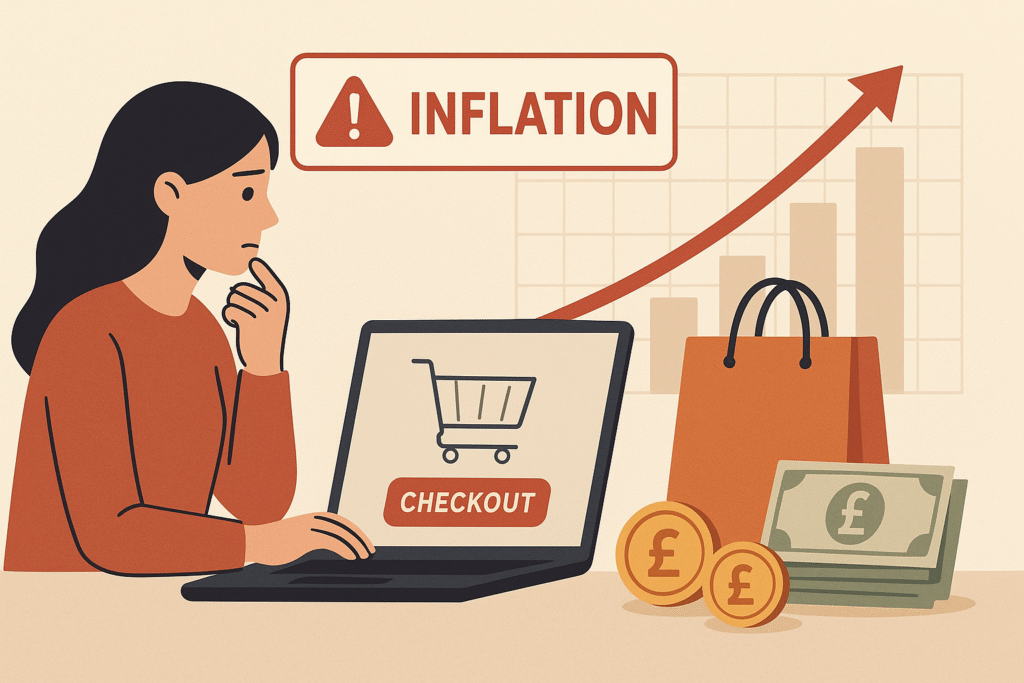
The UK is facing a severe cost of living crisis. Rising energy bills, soaring grocery prices, and economic uncertainty are putting immense pressure on households (ONS Household Expenditure Data; The Guardian: UK inflation) . Many people are struggling to cover essentials, let alone enjoy discretionary spending. Impulse buying can feel like a trap — draining your wallet faster than you realise.
With small changes and the right tools, you can regain control of your finances, stop impulse purchases, and start saving smarter. One such tool is a free desktop browser extension that helps pause online spending on sites like Amazon UK, John Lewis, and Argos.
Why Impulse Spending Is Worse Right Now
Impulse spending often spikes during times of financial stress. When money is tight, the brain seeks instant gratification as a coping mechanism. Add targeted online ads, Black Friday deals, and Christmas promotions, and it’s easy to get tempted to buy things you don’t need (BBC: How stress affects spending).
Key reasons impulse spending is rising in the UK:
Financial stress triggers emotional spending – shopping can feel like relief.
Targeted advertising – e-commerce sites and social media know exactly what you want.
Easy access to online shopping – one click can instantly deplete your bank balance.
Even small “treats” like a £5 snack or an extra candle can add up to hundreds of pounds a month — money better spent on essentials, debt repayment, or emergency savings.
How a Browser Extension Can Help Pause Purchases
Stopping impulse buys isn’t just about willpower — it’s about creating a pause between desire and action. Desktop extensions work by:
Detecting popular UK shopping sites.
Prompting you to pause with a gentle pop-up asking: “Do you really need this?”
Adding a brief delay to checkout buttons to disrupt mindless buying.
This small intervention gives your brain time to reconsider purchases before they happen.
5 Proven Ways to Reduce Impulse Purchases
Set a 24-Hour Rule – Delay non-essential purchases. Often, the urge passes.
Create a Monthly Budget – Allocate funds for essentials and savings first.
Unsubscribe from Marketing Emails – Reduce exposure to temptations.
Use Price Comparison Tools – Prevent overspending by checking alternatives.
Track Your Spending – Awareness helps break unconscious habits.
How Much You Could Save Monthly
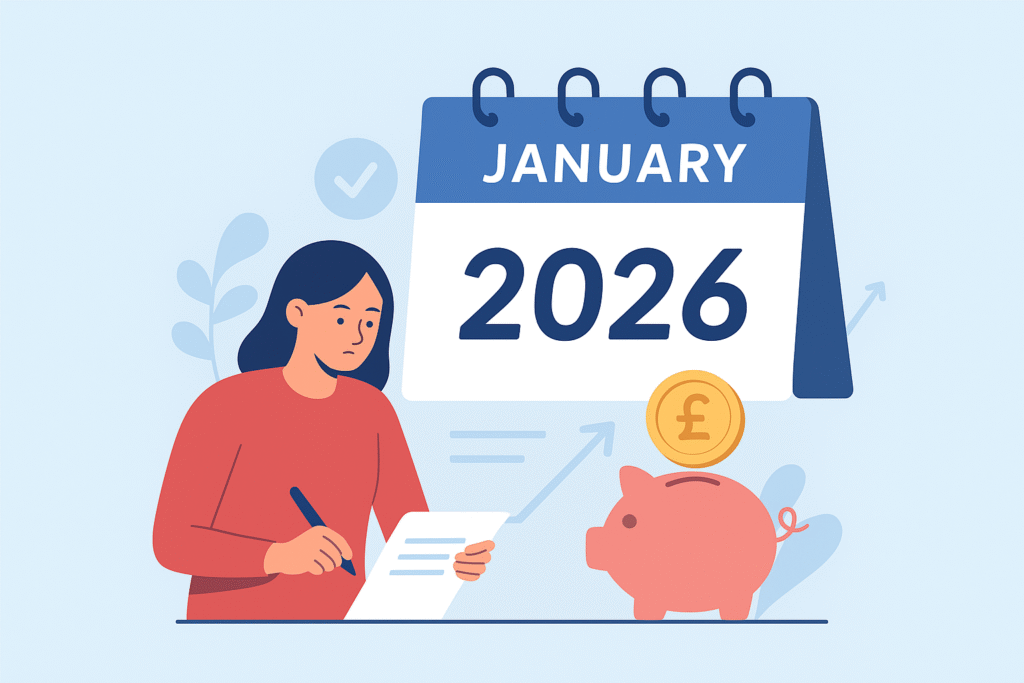
Avoiding just £5–£10 of impulse purchases per day can save:
£35–£70 per week
£150–£300 per month
£1,800–£3,600 per year
That’s money that could go toward groceries, bills, or a small emergency fund — especially vital during a cost of living crisis.
Seasonal Shopping Warning: Black Friday and Christmas
The festive season is a minefield for overspending:
Black Friday & Cyber Monday – Aggressive discounts encourage unnecessary purchases (Which? UK Black Friday Guide).
Christmas Shopping – Emotional spending spikes during gift-giving season.
New Year Sales – Post-holiday deals tempt you to spend even after festive overspending.
A simple desktop tool to pause purchases can prevent financial stress and keep your budget intact.
Take Control of Your Finances Today
The UK may be broke, but you don’t have to be. By combining practical money habits with smart tools, you can stop impulse buying, protect yourself from overspending, and build a buffer for essentials and emergencies.
Start saving smarter today: Install Don’t Buy That® on your desktop browser (Chrome, Edge, or Firefox) and make small pauses that lead to big savings.