Why Your Online Shopping Habits Are Making You Broke
The Hidden Cost of Online Shopping
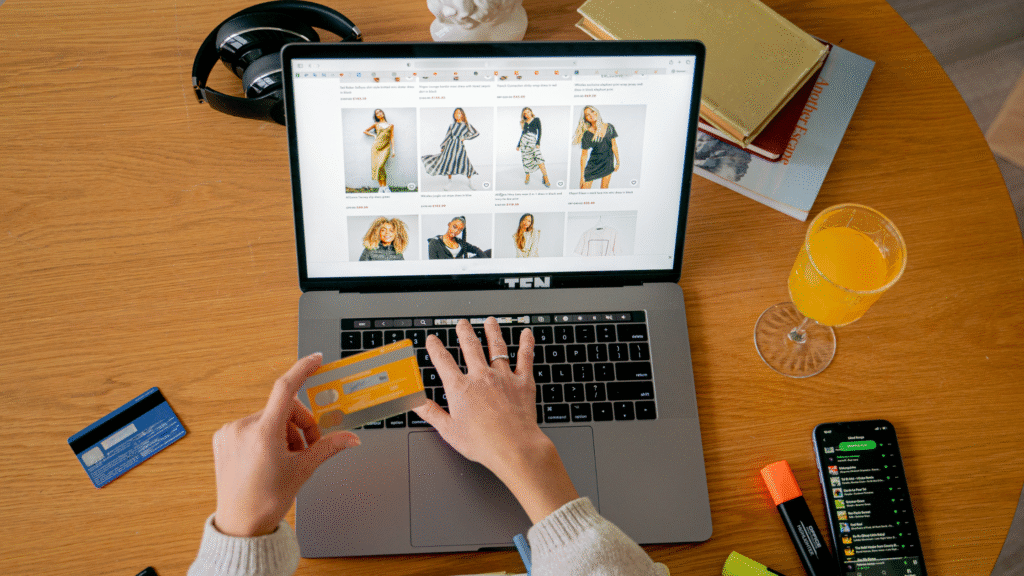
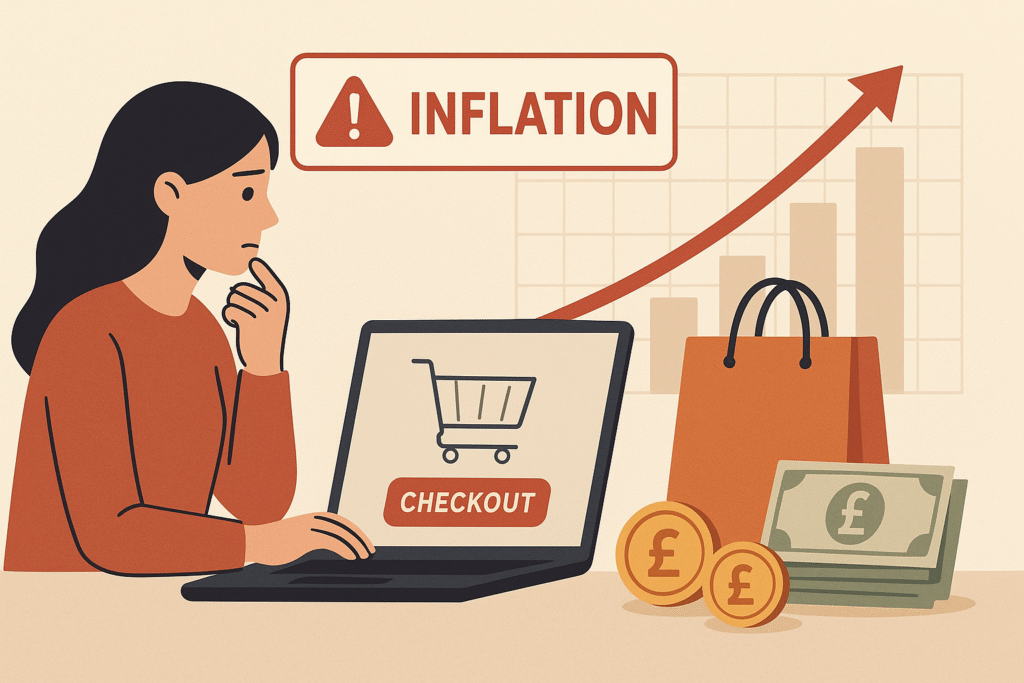
Online shopping is convenient, fast, and often exciting. But for many UK households, it’s quietly draining wallets without them even realising it. Between targeted ads, “limited-time” discounts, and the ease of one-click purchases, impulsive online spending is one of the biggest threats to your budget.
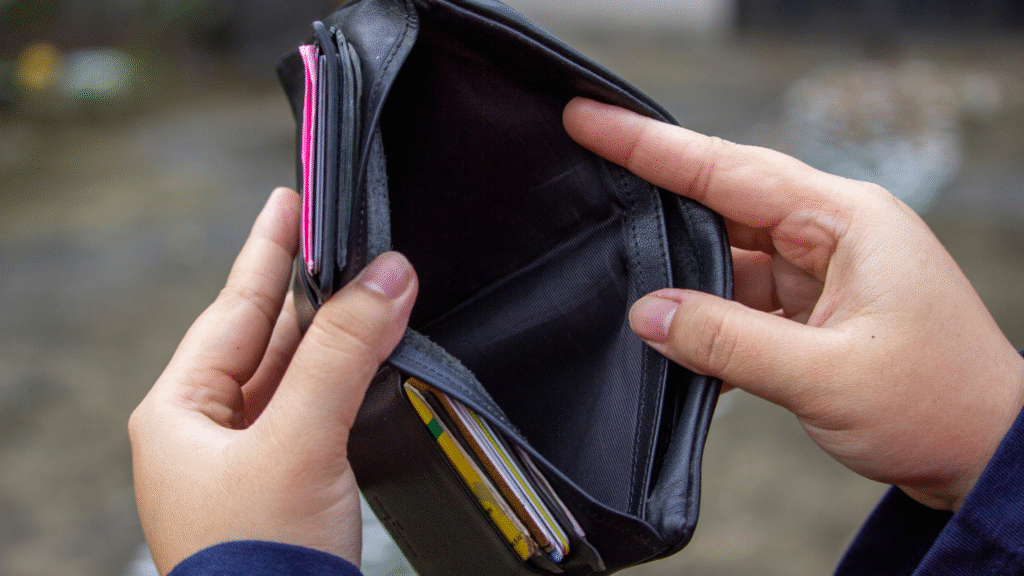
Recent research shows that the average UK household spends hundreds of pounds each month on non-essential online purchases. For people already struggling with energy bills, groceries, and everyday expenses, this habit can push a budget to breaking point.
Fortunately, with awareness, small habit changes, and smart tools, you can regain control and stop overspending online.
The Psychology of Online Spending
Understanding why we click “buy” so quickly is the first step to controlling spending. Some key psychological triggers include:
1. Instant Gratification
Shopping online provides an immediate dopamine boost. That new gadget, pair of shoes, or “little treat” activates the reward centre of the brain. The faster the reward, the more likely we are to buy without thinking.
2. Targeted Advertising and Personalisation
Retailers now know what you like — and they use that information to tempt you. Ads on social media, emails, and even pop-ups on websites are designed to create a sense of urgency, making it harder to resist impulse purchases.
3. The Illusion of Savings
“Flash sales” and “limited-time discounts” make you feel like you’re saving money, but in reality, you’re spending on things you didn’t plan for. Many shoppers report buying items they never actually use simply because they were “on sale.”
4. Social Influence
Seeing friends, influencers, or online reviews can push you toward purchases you might not have considered. The pressure to keep up or “treat yourself” can override rational spending decisions.
The True Cost of Impulse Spending
Even small, frequent online purchases add up quickly. Here’s a typical example:
| Item | Cost per purchase | Frequency | Total per month |
|---|---|---|---|
| Daily coffee delivered (£3) | £3 | 30 days | £90 |
| Random gadgets (£10) | £10 | 5 times | £50 |
| Clothing/beauty items (£20) | £20 | 3 times | £60 |
Total: £200 per month → £2,400 per year
That’s money that could go toward essentials, savings, or debt repayment — lost due to mindless clicks.
Signs Your Online Habits Are Costing You
Frequent “basket abandonments” followed by impulse purchases later
Multiple tabs open with items you didn’t plan to buy
Feeling guilty or stressed after online purchases
Spending more online than in physical stores
Recognising these habits is crucial. Once you’re aware, you can start making changes.
Strategies to Take Control
1. Pause Before You Buy
A simple pause can make a huge difference. Tools like Don’t Buy That® for desktop browsers can help you insert a short delay before checkout, giving your brain time to reconsider whether you really need the item.
2. Set Spending Limits
Decide a monthly cap for discretionary online spending. Track purchases and hold yourself accountable. Even a modest limit can prevent runaway spending.
3. Unsubscribe and Block Ads
Reduce temptation by unsubscribing from marketing emails and using ad blockers. Less exposure means fewer triggers to make unnecessary purchases.
4. Make a Shopping List
Before going online, make a clear list of what you need. Stick to it and avoid browsing sites aimlessly.
5. Review Past Purchases
Take 10 minutes each month to review what you bought online. Often, seeing items you never used reinforces the importance of buying consciously.
Seasonal and Event Shopping Risks
Black Friday, Christmas, and New Year sales can exacerbate impulse spending. During these periods:
Retailers use countdown timers, flash deals, and “only X left in stock” messages.
It’s easy to rationalise purchases as gifts, “investments,” or treats.
Without a plan, even budget-conscious shoppers can overspend.
Having a pause mechanism or checklist can prevent regretful purchases during these high-pressure periods.
Real-Life Example: How a Pause Can Save You
Consider Emily, a 30-year-old in Leeds. She typically spent £200/month online on gadgets and fashion. After using a simple desktop extension that pauses checkout and prompts her to think, she:
Cut impulse purchases by 50%
Saved over £1,000 in six months
Felt less stressed and more in control of her finances
This shows that small interventions — a pause, a budget, or a mindful approach — can dramatically improve financial outcomes.
Take Control of Your Online Spending
Online shopping is convenient, but without awareness, it can quietly sabotage your budget. By recognising triggers, pausing before purchases, and using simple tools, you can regain control, save money, and reduce stress.
Ready to think before you buy? Give yourself a pause and regain control of your spending with a simple desktop tool — you’ll be surprised how much you can save.