New Year, New Budget: How to Reset Your Finances for 2026

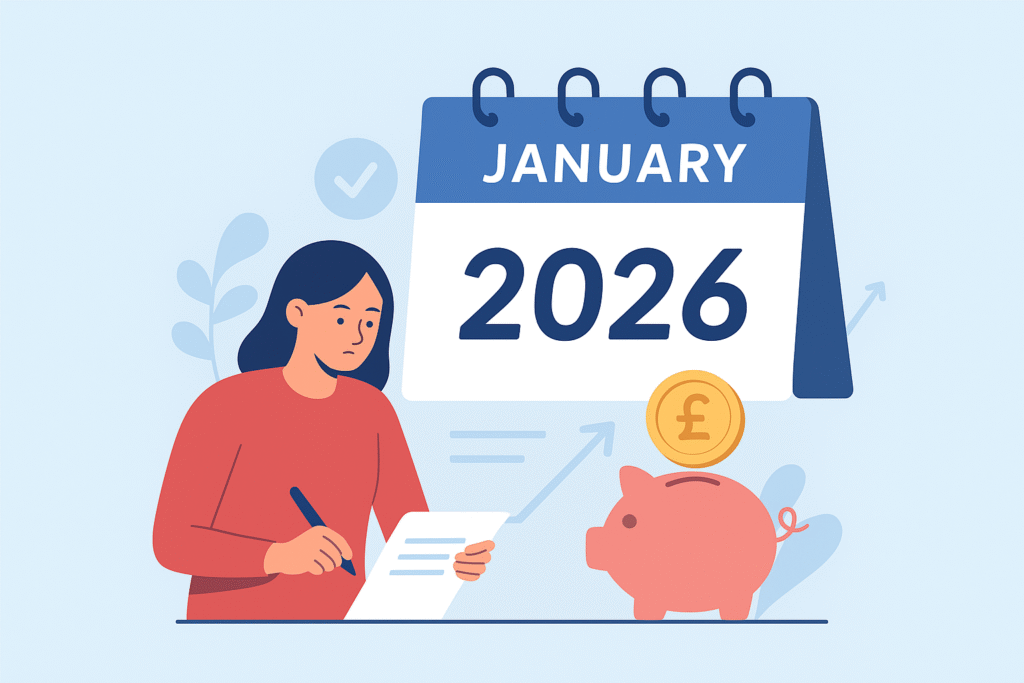
Start 2026 in Control of Your Money
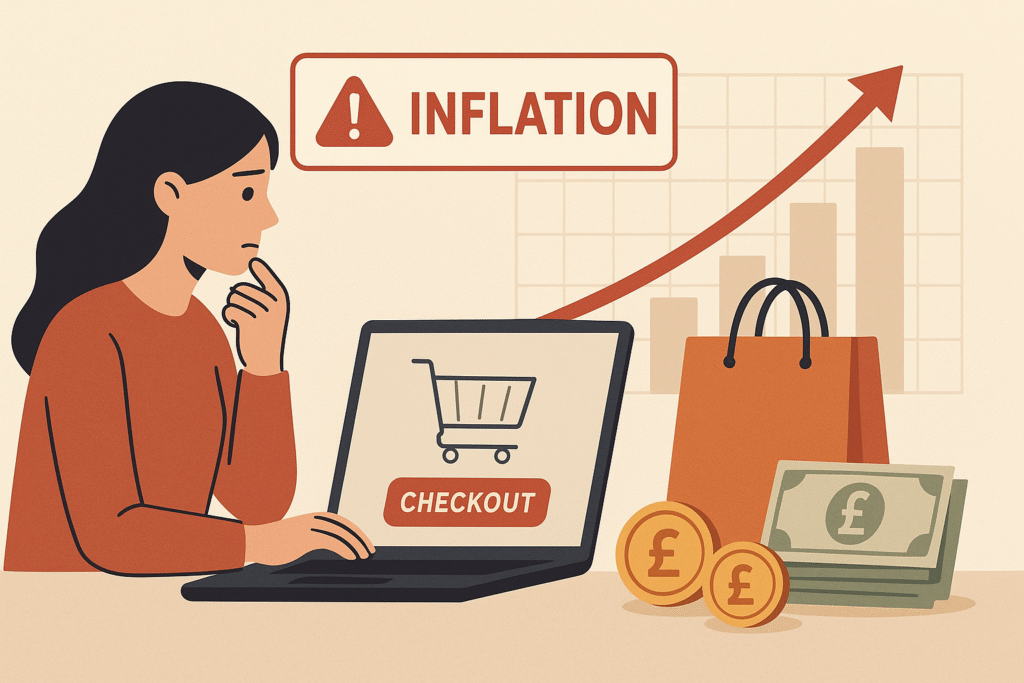
The start of a new year is a natural time to take stock of your finances. For many households in the UK, 2025 was tough: energy bills soared under Ofgem’s price cap increases, groceries from Tesco, Sainsbury’s, and Asda got more expensive, and everyday expenses like fuel and rent put pressure on wallets.
With 2026 just around the corner, now is the perfect opportunity to reset your finances, reduce impulse spending, and take control of your money before the year spirals out of control. This guide is designed specifically for UK shoppers to help plan budgets, avoid overspending, and save smarter.
Step 1: Understand Where Your Money Is Going
Before creating a budget, it’s crucial to assess your current financial situation:
List Your Income
Salary, freelance work, benefits like Universal Credit, or pension income.
Account for irregular or seasonal income.
Track Your Spending
Essentials: rent or mortgage, council tax, energy bills, water rates, mobile and broadband bills.
Variable spending: groceries, petrol, commuting costs, takeaway, pub nights, and online shopping.
Non-essential or impulse buys: small online treats, subscription boxes, and gadgets.
Calculate Debt and Savings
Include credit cards, overdrafts, personal loans, or Buy Now Pay Later debts.
Note existing savings: emergency fund, savings accounts, or ISAs.
Tracking your spending for a full month gives a clear picture of where money leaks may be happening.
Step 2: Set Realistic UK-Focused Financial Goals for 2026
Financial goals give your budget purpose and direction. Set targets that are achievable within your income:
Short-term goals: clear a credit card debt of £500, save £200 for a Christmas fund, or reduce monthly online impulse spending.
Medium-term goals: build a 3–6 month emergency fund, save for a summer holiday in Cornwall or Devon, or pay off a small loan.
Long-term goals: contribute to a pension, save for a house deposit, or invest in ISAs.
Pro Tip: Goals should be specific, measurable, achievable, relevant, and time-bound (SMART). For instance: “I will save £50 a month in 2026 by cutting back on takeaway coffees and impulse online purchases.”
Step 3: Create a Practical Monthly Budget
Once you know where your money is going and your goals, structure a monthly budget:
Essential Categories:
Housing: rent/mortgage, council tax, home insurance, energy bills
Food: groceries at Tesco, Sainsbury’s, Asda, Lidl, Aldi
Transport: petrol, bus/train fares, car insurance
Bills: broadband, mobile, TV licence
Debt: loan repayments, credit cards
Savings: emergency fund, holiday fund, ISA contributions
Non-Essential Categories:
Entertainment: streaming (Netflix, Disney+), cinema, pubs
Shopping: clothing, gadgets, gifts
Miscellaneous: small impulse buys, takeaway coffee, snack foods
Rule of Thumb: 50% essentials, 30% non-essentials, 20% savings/debt repayment — adjust according to your circumstances.
Step 4: Reduce Impulse Spending Online
Impulse purchases often happen online and can blow your budget. In 2026, with the cost of living still high, this is more important than ever.
UK-Focused Tips:
Pause Before Checkout
Use a browser tool like Don’t Buy That® to insert a short delay before buying on Amazon UK, John Lewis, or Argos.
Even 10–15 seconds can prevent unnecessary purchases.
Remove Saved Card Details
Manual entry reduces automatic spending on Tesco, ASOS, or eBay.
Unsubscribe from Marketing Emails
UK retailers frequently send discount codes and “limited-time offers.” Avoid temptation by unsubscribing.
Use Wishlists
Add desired items to your wishlist first. Revisit after 24–48 hours to decide if you really need them.
Step 5: Cut Back on Unused Subscriptions
UK households often waste hundreds of pounds on services they barely use:
Streaming: Netflix, BBC iPlayer, Disney+
Fitness: Gym memberships or online fitness apps
Premium apps or software
Action Step: Review all subscriptions and cancel anything unused. Redirect the savings to essentials, debt repayment, or long-term goals.
Step 6: Plan for Seasonal and One-Off Expenses
In the UK, seasonal events and one-off costs can derail budgets:
Christmas and New Year – Gifts, meals, decorations, parties
School term costs – Uniforms, school trips, stationery
Summer holidays – Travel, activities, family days out
Tip: Spread these costs across months. Create a Christmas fund or New Year savings pot to avoid financial stress in December.
Step 7: Automate Savings
Automation helps stick to goals:
Set up a standing order from your main account to a savings account each payday.
Use apps that round up purchases and save the difference.
Deposit “found money” from cashback or refunds into your emergency or holiday fund.
Even small weekly savings accumulate significantly over the year.
Step 8: Track Progress Regularly
Budgets aren’t set in stone — they need reviewing:
Check your spending weekly or monthly.
Note areas where you overspent and adjust your next month’s plan.
Use apps or spreadsheets to keep a clear record of income and outgoings.
This accountability reduces stress and helps maintain financial control.
Step 9: Build an Emergency Fund
Unexpected expenses are inevitable. UK-specific examples include:
Boiler breakdown
Car repairs
NHS prescription costs or dental bills
Goal: Aim for 3–6 months of essential expenses in a separate emergency fund. This prevents reliance on credit cards or loans.
Step 10: Mind Your Mental Health and Money
Money stress is common in the UK. Resetting your finances should feel empowering, not overwhelming:
Don’t dwell on past overspending — focus on what you can control in 2026.
Celebrate small wins: sticking to a budget, saving £50, or resisting an impulse buy.
Involve your household — shared goals strengthen discipline and accountability.
Real-Life Example: A UK Household Reset for 2026
Take the example of Liam and Sarah from Manchester:
2025 overspending: £350/month on online clothes, takeaway, and gifts.
They tracked spending for January 2026, set a £250/month discretionary budget, and started a standing order for £50/week into a Christmas/holiday fund.
They used a pause tool for online shopping on Amazon UK and John Lewis.
Result: By March 2026, discretionary spending was down by 60%, savings had grown by £600, and they felt in control of their finances — without missing out on essentials or treats.
Take Control of Your Finances in 2026
New Year 2026 is your chance to reset your budget and regain control. Track spending, set realistic goals, and pause before impulse purchases. Tools like Don’t Buy That® can help you avoid mindless online spending and stick to your plan.
Start your financial reset today — make 2026 the year you save smarter, reduce stress, and achieve your money goals!